The allure of the great outdoors is a powerful call. It’s the scent of pine after a rain shower, the vastness of a star-filled sky, and the simple joy of a hot meal after a long day’s hike. As more of us seek refuge and adventure in nature, a new consciousness is dawning. It’s no longer enough to simply enjoy these wild spaces; we have a profound responsibility to protect them. This shift towards sustainable recreation is transforming every aspect of how we camp, and at the heart of this movement lies a surprisingly pivotal piece of equipment: the camping stove. While many focus on tents and backpacks, a growing number of seasoned outdoor enthusiasts and conscientious camping stove manufacturers recognize that our choice of stove and how we use it has an outsized impact on our environmental footprint.This guide is designed to be your comprehensive resource for embracing a greener outdoor cooking culture. We will explore how the very design of a stove contributes to conservation, how simple changes in our cooking habits can make a world of difference, and how this single piece of gear is central to the entire philosophy of responsible outdoor living. It’s time to look beyond the flame and understand how your stove can be your greatest ally in preserving the wilderness we love.
Table of contents:
The Core of Green Cooking: The Environmental DNA of Your Camping Stove
Beyond the Burner: Cultivating Eco-Conscious Cooking Habits
Integrating Green Principles into the Campsite Experience
The Evolving Landscape of Outdoor Gear and Consumer Demand
A stove is not just a tool for heating food; it is a complex system where choices in fuel, design, and materials have direct environmental consequences. Understanding these attributes is the first step toward making a truly sustainable choice.
The fuel you burn is the most direct contributor to your cooking emissions. Each type has its own ecological profile.
For most campers, a high-quality canister stove offers the best balance of clean-burning performance, efficiency, and convenience.
A stove’s design is paramount to minimizing fuel consumption. An efficient stove not only saves you money and pack weight but also directly reduces the number of fuel canisters or bottles you consume and discard over time. Key features to look for include:
The most sustainable product is one you don’t have to replace. The "buy it for life" philosophy is a cornerstone of environmentalism. High-quality stoves are typically constructed from durable and corrosion-resistant materials like stainless steel and aluminum alloy. While they may have a higher initial cost, their longevity means fewer stoves end up in landfills. A durable stove that serves you reliably for a decade is infinitely more sustainable than a series of cheaper alternatives that fail after a few seasons. This focus on durability reduces manufacturing demand, resource extraction, and waste.
Safety features are not just about protecting the user; they are about protecting the environment. A well-designed stove with features like automatic shut-off valves, stable bases, and leak-proof connections prevents accidental fuel spills. Spilled fossil fuels can contaminate soil and water sources, causing long-lasting damage to fragile ecosystems. Therefore, a safe stove is inherently a more environmentally friendly stove.
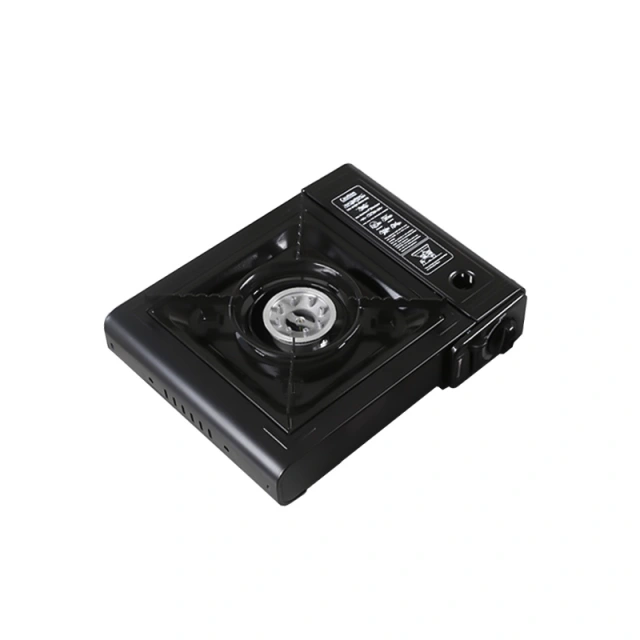
Owning an efficient stove is only half the battle. How you plan, cook, and clean up has an enormous impact on your overall footprint.
Sustainability begins before you even light the stove. Think critically about your food choices:
Adopt cooking methods that conserve energy:
Your camp kitchen should be a model of efficiency and cleanliness.
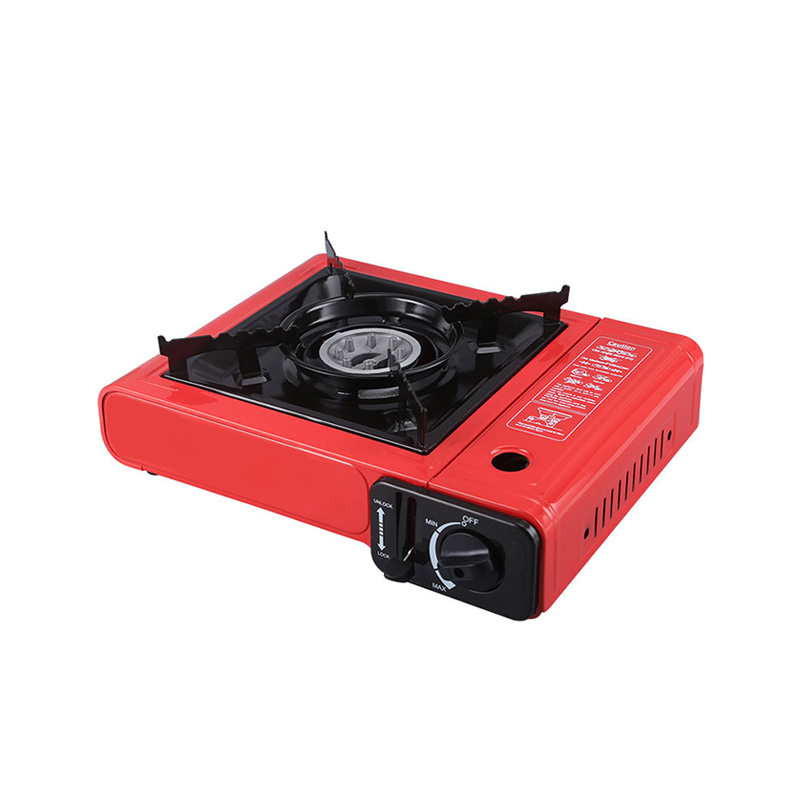
A stove is your primary tool for integrating responsible practices into the wider camping environment.
Using a camping stove is a direct application of several LNT principles. It allows you to "Minimize Campfire Impacts" by providing a reliable cooking method without the need for a fire, which prevents ground scars, reduces demand for firewood, and lowers wildfire risk. It also helps you "Dispose of Waste Properly" by containing your cooking to one clean, efficient area, making cleanup easier and more thorough.
Always use your stove on a durable surface like rock, sand, or bare dirt. Avoid placing it directly on grass or other vegetation, as the heat can damage the plant life and soil microbes beneath. Ensure your cooking area is well away from your tent and any flammable materials, and never cook inside a closed tent due to the risks of fire and carbon monoxide poisoning.
Part of being a responsible camper is sharing your knowledge. When camping with friends or family, lead by example. Demonstrate how to use a stove efficiently, explain your waste separation system, and share the "why" behind your actions. The culture of green camping grows one conversation and one positive experience at a time.
The push for sustainability is not just a grassroots movement; it is fundamentally reshaping the outdoor industry.
For a new generation of outdoor lovers, green camping is not a trend; it is an identity. It connects to broader movements like minimalism, wellness, and a desire for authentic experiences. This cultural shift means consumers are more educated and discerning than ever before. They are actively seeking brands that align with their values. This puts pressure on the market, from large retailers considering a wholesale camping stove purchase to individual buyers, to prioritize sustainability.
Historically, consumers might have only looked at BTUs, weight, and price. Today, the checklist is longer. Is the product durable? Does the company have a transparent supply chain? Is the packaging eco-friendly? This evolution in consumer demand is a powerful force for good, compelling manufacturers to innovate not just in performance, but in purpose.
The journey toward fully sustainable outdoor recreation is a continuous one, built on the foundation of conscious choices. Your stove is more than just metal and fuel; it is a symbol of your commitment to the wilderness. It is the tool that enables you to nourish yourself while respecting the natural world, to create warm memories without leaving a cold scar on the landscape.As you seek out gear to support this philosophy, look for companies that embody the principles of durability, efficiency, and safety. Brands that prioritize robust construction and user-centric design are creating the tools you can rely on for years of responsible adventure. Organizations like Huangshan Rongbo Kitchenware Co., Ltd. focus on engineering portable gas stoves that provide the reliable and controllable flame necessary for eco-conscious cooking techniques. By choosing equipment that is built to last and designed for efficiency, you are making an investment not just in your gear, but in the future of our planet’s wild places.


